
What Is Fair Chase Hunting? Rules and Ethics Explained
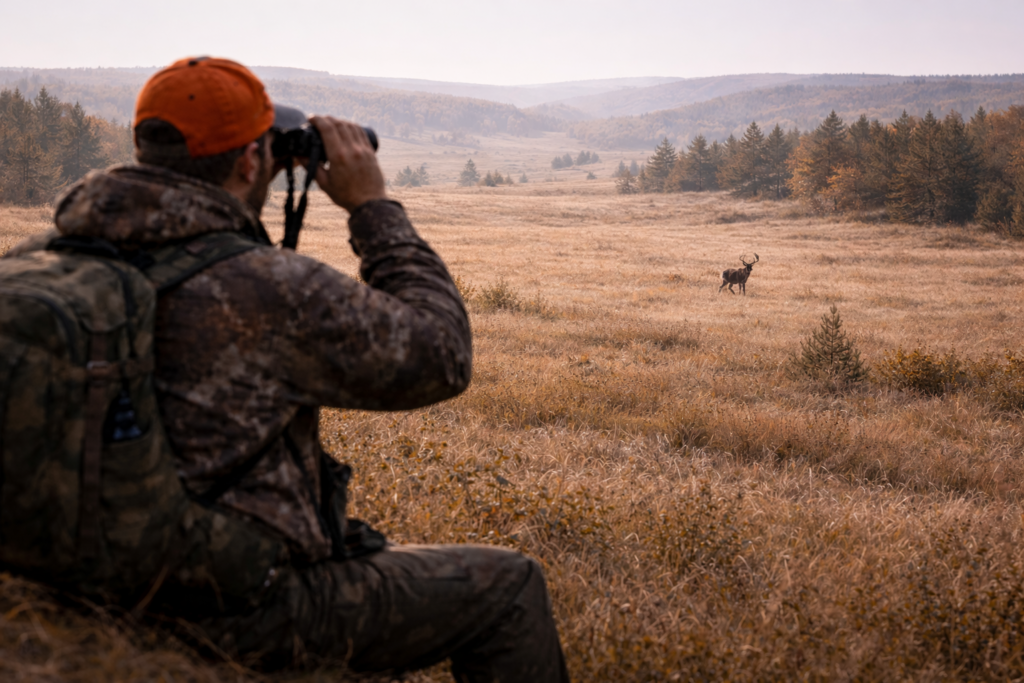
What Is Fair Chase Hunting?
Fair chase hunting means giving the animal a reasonable chance to escape. That’s the core of it. You’re not trapping something that can’t get away. You’re not using methods that turn the hunt into guaranteed execution.
The idea sounds simple enough. In practice, it gets complicated fast.
The Basic Concept
Fair chase is about maintaining a sporting relationship between hunter and prey. The animal needs the ability to use its natural defenses—speed, camouflage, terrain knowledge, whatever evolution gave it. When those advantages are stripped away through technology or tactics, you’ve crossed a line.
The Boone and Crockett Club defined fair chase back in the late 1800s. They saw market hunting destroying wildlife populations and wanted to establish rules that preserved both animal populations and the integrity of hunting itself. Their definition has evolved, but the principle hasn’t changed much.
What Fair Chase Actually Prohibits
Some methods are universally considered unfair. Shooting from aircraft or vehicles. Using spotlights at night when animals freeze in the beam. Drugging or baiting animals into such concentrated areas that they become sitting targets. Radio-tracking collared animals that were released specifically for hunting.
Electronic calls used to be controversial. Now most hunters accept them as fair game for certain species, though not all. The line keeps shifting as technology changes.
Fenced hunting operations create the biggest debates. High-fence ranches argue their animals have thousands of acres. Critics say any fence removes the animal’s ability to truly escape. Both sides make reasonable points. The answer probably depends on the size of the enclosure and how it’s managed.
Why It Matters
Fair chase isn’t just about being sporting. It serves practical purposes.
When animals have a fair chance, only the fittest typically get harvested. That strengthens the remaining population genetically. Unfair methods often take the easiest targets—the young, the weak, the females with offspring. That damages herds long-term.
There’s also the public perception angle. Most non-hunters tolerate hunting when it looks like a genuine contest between predator and prey. When it looks like slaughter, support evaporates. Fair chase maintains social license.
The Gray Areas
Here’s where it gets messy. What about tree stands over food plots? The deer are wild and free to leave, but you’ve definitely manipulated the situation. Trail cameras give you pattern information the animal doesn’t know you have. Long-range rifles let you shoot from distances where the animal never senses danger.
Some hunters think using any modern equipment violates fair chase. They hunt with traditional bows or primitive weapons. Others say using the best legal equipment available is perfectly fair as long as the animal can escape.
Neither group is necessarily wrong. Fair chase exists on a spectrum.
Technology’s Role
Every technological advancement forces new questions. Thermal optics. Drones for scouting. Apps that predict animal movement based on weather and moon phases. GPS collars on hunting dogs.
The question isn’t whether these tools work. They obviously do. The question is whether they shift the balance too far. If success rates approach 100 percent, something’s probably off.
Most state wildlife agencies handle this through regulation rather than leaving it to individual ethics. They ban certain methods before they become widespread problems. That’s probably smart. Relying on voluntary restraint doesn’t have a great track record.
The Ethics Component
Fair chase is partly about rules, partly about personal standards. Two hunters can follow identical regulations and still have completely different approaches.
Some guys won’t shoot an animal that doesn’t see them coming. They want that moment where the animal knows and still gets outsmarted. Others think clean kills matter more than the animal’s awareness. Both are thinking about ethics, just from different angles.
The real test is whether you’d explain your methods to a non-hunter without feeling defensive. If you have to justify or downplay what you did, you might already know the answer.
Regional and Cultural Differences
Fair chase means different things in different places. African hunting often involves vehicles because the terrain and distances make walking impractical. That would be illegal for North American big game in most states. European driven hunts use lines of beaters to push animals toward shooters—a method that wouldn’t fly in the Western U.S.
None of these groups think they’re being unfair. They’re working within their landscape and traditions. Fair chase has to account for context.
When Money Gets Involved
Guided hunts and hunting preserves complicate things. When someone pays thousands of dollars, there’s pressure to produce results. That pressure can lead to cutting corners.
Some outfitters maintain high standards regardless of price. Others essentially guarantee animals, which requires setting up situations that aren’t particularly challenging. Clients get their trophy, the outfitter gets paid, and whether it was actually fair chase becomes debatable.
The money itself isn’t the problem. Professional guides who know the land and animals provide legitimate value. The problem emerges when financial incentives override sporting ethics.
Personal Standards vs. Legal Standards
Something can be legal and still feel wrong. Most states allow baiting for bears. Some hunters consider that perfectly acceptable. Others think waiting over bait barrels removes too much challenge.
You have to decide where your line is. The law sets the minimum. Your ethics should probably set a higher bar.
The Point of It All
Fair chase exists because hunting needs boundaries to remain legitimate. Not just legally legitimate—culturally and ethically legitimate.
Without fair chase, hunting becomes something else. Maybe meat harvesting. Maybe trophy collecting. Maybe just shooting. None of those are necessarily evil, but they’re not hunting in the traditional sense.
The challenge is that fair chase requires constant reevaluation. What seemed sporting fifty years ago might not be today. What seems fair with current technology might not be with next year’s innovation.
That’s probably healthy. It means hunters are still thinking about what they’re doing and why. The day nobody questions methods is the day the whole thing stops making sense.